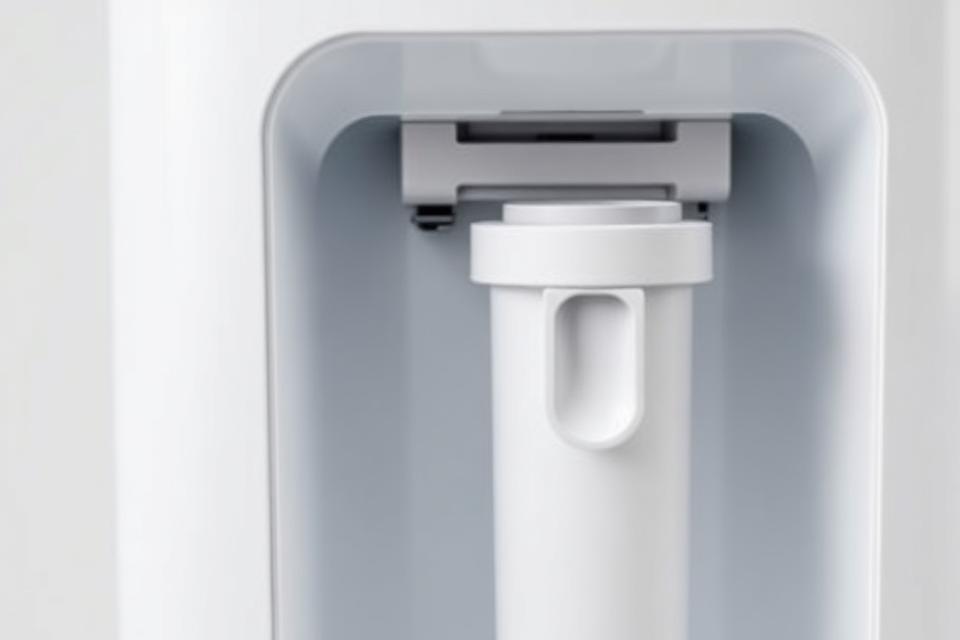
A modern RO water purifier is not one filter — it's a sequence of stages, each removing a different type of impurity. Here's what happens to your water from the tap to your glass.
Stage 1: Sediment filter
Traps sand, rust, mud and suspended particles down to 5 microns, protecting the stages that follow.
Stage 2: Pre-activated carbon
Absorbs chlorine, bad odour and organic chemicals. Chlorine would otherwise damage the RO membrane.
Stage 3: RO membrane
A booster pump pushes water through a semi-permeable membrane with pores around 0.0001 micron. Dissolved salts, heavy metals, fluoride, arsenic and pesticides are rejected and flushed out; pure water passes through.
Stage 4: UV chamber
Ultraviolet light inactivates bacteria and viruses that could be present in blended or stored water.
Stage 5: UF membrane
Ultrafiltration removes dead microorganisms and fine particles for extra safety.
Stage 6: TDS controller
Blends a controlled amount of filtered water back in to retain essential minerals and keep TDS in the 80–150 ppm range.
Stage 7: Post-carbon / mineral / copper
Polishes taste and adds calcium, magnesium or copper depending on the model.
How long do stages last?
- Sediment & carbon: 6–12 months
- RO membrane: 18–24 months (shorter in high-TDS areas)
- UV lamp: about 12 months
Bottom line
Every stage matters. On an iDrink rental plan all filters, membranes and lamps are replaced free, so all seven stages keep working at full strength.